
Considering a career as a licensed massage therapist presents a rewarding opportunity to assist individuals in enhancing their overall well-being and personal wellness. This profession not only offers various job prospects within the wellness industry but also provides significant potential for personal growth.
It is essential to explore the numerous benefits associated with becoming a licensed massage therapist, including the necessary steps for certification, the expected timeframe and costs involved, as well as the continuing education requirements to maintain proficiency in the field, including understanding insurance requirements and marketing strategies.
Engage in this exploration to understand how to embark on this fulfilling professional journey, including mastering consultation skills and therapeutic intentions.
Why Become A Licensed Massage Therapist?
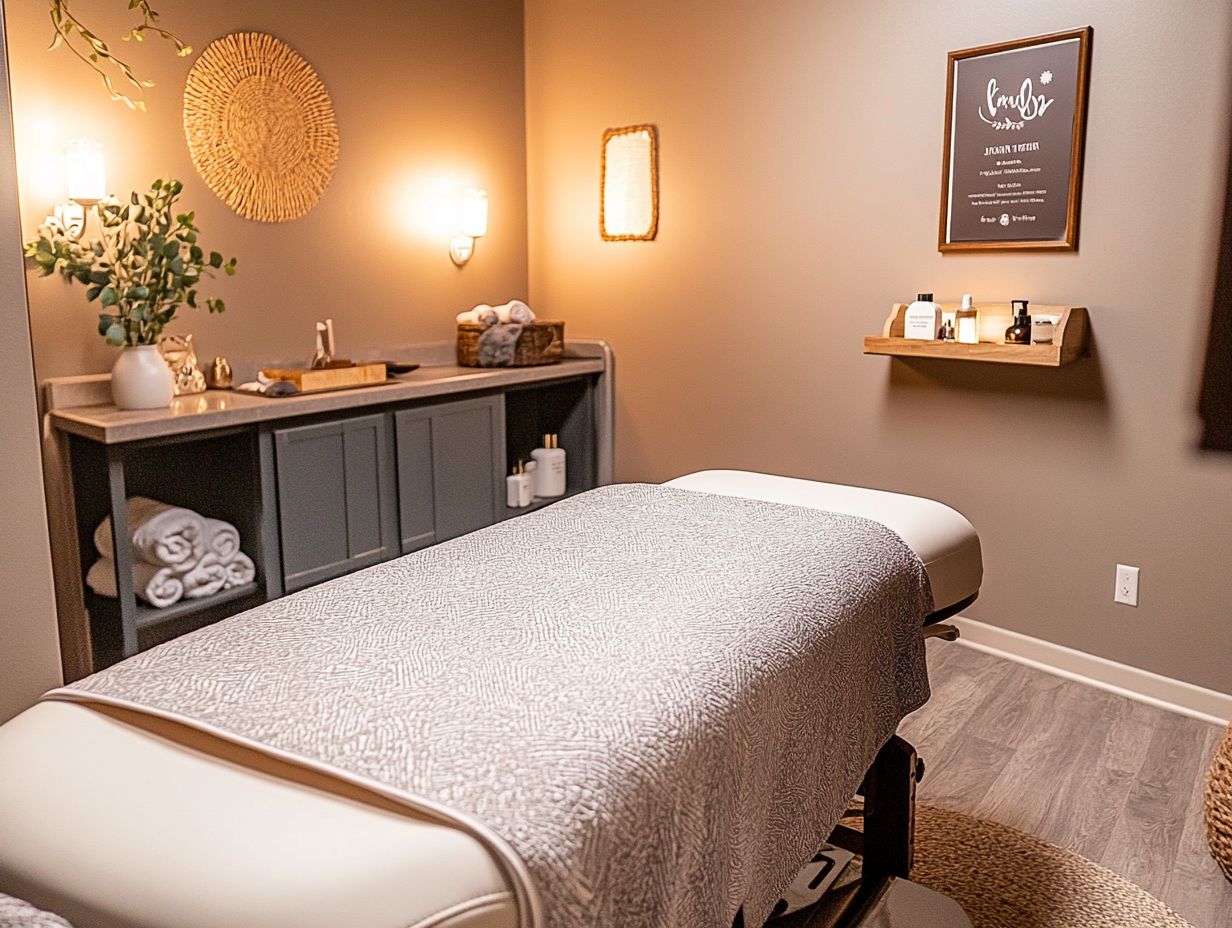
Becoming a licensed massage therapist presents a variety of career opportunities within the rapidly expanding wellness industry, enabling individuals to deliver therapeutic massage and bodywork that contributes to the health and relaxation of clients, while also enhancing their own career path.
As a licensed massage therapist, one can expect a favorable job outlook, with a growing demand for skilled professionals trained in diverse massage techniques and treatment modalities that promote holistic health.
Furthermore, the profession prioritizes professional development, providing numerous specializations, such as sports massage and deep tissue, which can enhance both income potential and job satisfaction through skill enhancement.
What Are The Benefits Of Being A Licensed Massage Therapist?
Being a licensed massage therapist presents numerous advantages that extend beyond mere financial compensation. This profession enables the promotion of wellness through therapeutic massage, which can significantly enhance both physical and mental health for clients and therapists alike.
The role offers flexible working hours, allowing individuals to customize their schedules to accommodate personal needs while also considering clients’ preferences, and promoting self-care. The potential for a substantial income is particularly appealing, especially for those who are proficient in a variety of techniques and modalities.
The sense of fulfillment derived from assisting others in achieving relaxation and alleviating stress is profound, as many therapists cultivate strong relationships with clients through effective communication and client-centered care.
Additionally, pursuing job-related skills and obtaining continuing education units (CEUs) not only enhances professional expertise but also encourages personal growth, ensuring that therapists remain informed about the latest techniques and trends within the industry, including massage therapy laws and professional practice.
What Are The Job Opportunities For Licensed Massage Therapists?
Licensed massage therapists have access to a diverse array of job opportunities across multiple workplace settings, including spas, wellness centers, chiropractic offices, and the option to establish their own massage businesses, thereby enhancing career advancement. This flexibility allows for personalized client care and adaptable schedules.
These varied environments not only offer unique experiences but also facilitate the implementation of specialized modalities such as reflexology and aromatherapy. By providing customized treatments that cater to the specific needs of clients, licensed therapists can enhance their professional reputation and improve client satisfaction, ensuring better client retention.
Engaging with professional networks through massage therapy associations can significantly advance their careers, enabling effective networking and professional development. Networking creates opportunities for valuable resources, mentorship, and access to workshops that help therapists stay informed about evolving techniques and industry trends.
The importance of collaboration and continuous learning in this profession is paramount, as these connections promote both personal and professional development.
How To Become A Licensed Massage Therapist?
To become a licensed massage therapist, aspiring professionals must undertake several critical steps in their career path. These include:
- Obtaining a massage therapy certification from accredited institutions.
- Fulfilling the requirements set forth by the state licensing board.
- Completing thorough coursework in anatomy and physiology, along with practical training in various massage techniques.
1. Research The Requirements In Your State
Researching the specific licensure requirements and state regulations is a critical initial step in becoming a licensed massage therapist, as these requirements can vary significantly from state to state, thereby influencing one’s trajectory toward a successful career in massage therapy and ensuring compliance with industry standards.
It is essential for aspiring therapists to familiarize themselves with the resources provided by their local state licensing boards, as these organizations offer vital and up-to-date information regarding training programs, examinations, and continuing education credits necessary for licensure, including professional credentials and licensing process.
Remaining informed about such regulations is not merely a matter of passing examinations; it is also about upholding professional standards and ensuring that the practice of massage therapy is both safe and effective.
A thorough understanding of liability insurance and appropriate insurance coverage is crucial for protecting one’s practice and professional reputation.
Consequently, ongoing education should be prioritized, as it allows therapists to enhance their skills while fulfilling the requirements established by their respective state boards.
2. Complete A Massage Therapy Program
Completing a comprehensive massage therapy program at accredited institutions is essential for aspiring therapists, as these programs offer the necessary coursework and practical training in various massage techniques, including soft tissue manipulation and stress relief practices, enhancing their skill assessment.
Plus developing practical skills, a thorough understanding of human anatomy is crucial, enabling therapists to apply techniques effectively and safely, ensuring injury prevention and adherence to safety standards. Courses that emphasize client communication are equally important, equipping students with the interpersonal skills necessary to establish rapport and customize treatments to meet individual needs, thereby ensuring better therapeutic relationships.
There are several educational pathways available, including:
- Traditional apprenticeship programs, which allow learners to gain real-world experience under the mentorship of seasoned professionals, provide valuable hands-on experience.
- Flexible online courses that provide theoretical knowledge at a self-directed pace.
These diverse options ensure that interested individuals can find a suitable path that aligns with their lifestyle while providing the foundational knowledge required for a successful career in massage therapy.
3. Pass The Massage & Bodywork Licensing Exam (MBLEx)
Passing the Massage & Bodywork Licensing Exam (MBLEx) is a crucial step in obtaining certification in massage therapy, as it evaluates an individual’s knowledge and skills in essential areas, including anatomy, massage techniques, and professional ethics.
To ensure success in this rigorous assessment, prospective candidates should adopt a comprehensive approach to exam preparation. Utilizing a diverse array of study materials—such as textbooks, online courses, and instructional video tutorials—can provide in-depth insights into complex subjects.
Incorporating practice tests into the preparation routine is imperative, as it allows candidates to become familiar with the test format and mitigates anxiety on the day of the exam, ensuring thorough exam preparation. A clear understanding of the MBLEx structure aids in the development of effective study strategies and helps in practical experience.
Additionally, focusing on obtaining continuing education units (CEUs) not only enhances professional competency but also creates pathways for ongoing learning opportunities, thereby reinforcing the knowledge essential for a successful career in massage therapy.
4. Apply For A State License

Upon successfully passing the MBLEx, the subsequent step involves applying for a state license through the local state licensing board. This process typically requires the submission of proof of education, examination results, and payment of applicable fees as part of the application.
To navigate this process effectively, it is essential to meticulously review the specific requirements set forth by your state’s licensing board, as these can differ substantially, ensuring adherence to scope of practice. Ensure that you gather all necessary documentation, including transcripts and certificates from accredited programs, to guarantee the completeness of your application.
Upholding professional standards is of utmost importance; this encompasses a thorough understanding of ethical practices, remaining current with continuing education requirements, and adherence to legal stipulations in your state, including maintaining appropriate health insurance billing.
Prioritizing client confidentiality is crucial for building trust and rapport within your practice, as well as ensuring compliance with regulations that safeguard personal information.
How Long Does It Take To Become A Licensed Massage Therapist?
The timeline for obtaining licensure as a massage therapist is influenced by several factors, including the duration of educational and training programs, the time allocated for exam preparation, and the acquisition of practical experience through internships or job training opportunities, ensuring adequate practice hours.
1. Education And Training Time
Completing a massage therapy degree program typically requires several months to years of rigorous coursework and hands-on training, enabling students to develop the essential skills in various massage techniques and modalities, including body mechanics.
These programs can vary significantly in length and structure, ranging from diploma programs that last approximately six months to comprehensive associate degree programs that require about two years to complete.
Students can anticipate engaging in extensive studies of anatomy and physiology, which are critical for understanding the human body and the impact of different techniques on various musculoskeletal systems.
Many programs place a strong emphasis on practical experience through internships or supervised clinical practice, providing students the opportunity to apply their acquired knowledge and refine their skills in real-world settings.
Moreover, integrating stress management and relaxation techniques into the curriculum equips future therapists to deliver holistic care, thereby enhancing the overall wellness of their clients.
2. Exam Preparation Time
Exam preparation for the MBLEx typically spans several weeks to a few months, depending on individual study habits and familiarity with the material covered in the exam, including anatomical knowledge, ethics training, and professional ethics.
During this period, aspiring professionals should consider utilizing various study techniques and resources that align with their learning preferences. Incorporating review courses can provide structured guidance, while practice exams offer essential insights into the exam format and question types.
Additionally, it is crucial for students to concentrate on key concepts such as client assessment and the significance of cultivating therapeutic relationships, which are fundamental elements of the massage therapy profession.
Engaging in discussions with peers, seeking mentorship, and active professional networking can further enhance comprehension and retention of the material, ultimately resulting in a more confident and well-prepared experience on examination day.
3. Application And Processing Time
After submitting an application to the state licensing board, the processing time may vary; however, it typically takes several weeks to a few months before the applicant receives their massage therapy license.
Several factors can influence this timeline, including the completeness of the application and any additional documentation requirements that may arise. For example, if the application is missing necessary details or supporting documents, the board may request further information, which could delay the overall process.
It is essential to remain informed about continuing education and to adhere to the ethical standards of massage therapy, as these elements not only enhance professional qualifications but may also impact the approval of the application.
Taking proactive steps to ensure that all components of the application are thoroughly checked can help streamline the process toward becoming a licensed professional.
What Are The Costs Involved In Becoming A Licensed Massage Therapist?
Becoming a licensed massage therapist entails several costs that must be carefully evaluated when planning one’s career path.
These costs include:
- Tuition and training expenses incurred at accredited massage therapy schools
- Examination fees for the Massage and Bodywork Licensing Examination (MBLEx)
- License application fees imposed by the state licensing board
It is essential to consider these financial commitments and prerequisites in order to develop a comprehensive understanding of the investment required for this profession.
1. Education And Training Costs in Massage Schools
Tuition fees for massage therapy programs at accredited massage schools can vary significantly based on the duration of the program and the institution offering it. Many schools provide financial aid options to assist in mitigating the costs associated with education and training.
Prospective students may observe a wide range of tuition costs, typically ranging from a few thousand to over twenty thousand dollars. This variation is influenced by factors such as the type of coursework offered and the inclusion of specialized, hands-on training components, including energy work and fascia manipulation.
Plus tuition, students should be mindful of other expenses, such as textbooks, supplies, and equipment required for their studies, as these can have a considerable impact on the overall budget.
Fortunately, many institutions also offer scholarships and financial aid programs to help students in their educational pursuits. This support can facilitate the management of training costs and ultimately aid in achieving a fulfilling career in massage therapy.
2. Exam Fees
The exam fees for the Massage & Bodywork Licensing Exam (MBLEx) typically range from $200 to $300. This expense should be incorporated into the overall budget for individuals seeking to become licensed massage therapists.
Plus the exam fees, candidates should take into account the potential costs associated with retaking the exam in the event of not passing on the first attempt, which may involve additional charges.
Investing in preparatory resources, such as study guides, practice tests, and review courses, can significantly enhance an individual’s understanding of the professional standards and skill assessments necessary for successful certification. These preparatory materials generally range from $50 to $200.
Comprehensive preparation is vital for achieving a favorable outcome on the MBLEx, ensuring that candidates are not only well-acquainted with the test content but also adequately prepared to meet the demands of their future roles.
3. License Application Fees
Plus examination fees, licensed massage therapists must also account for license application fees, which vary by state and typically range from $50 to $200, contingent upon the requirements set forth by the respective state licensing boards.
It is imperative for licensed massage therapists to understand the specific licensing fees associated with their profession, as these costs can accumulate significantly over time. To obtain accurate information regarding these fees, therapists are encouraged to visit their state’s licensing board website or contact the board directly for the most up-to-date information.
Incorporating these fees into overall financial planning is essential, as they directly influence budgeting and cash flow. Therapists should also consider additional expenses, such as liability insurance, customer service training, and continuing education requirements, which are critical for maintaining their license and ensuring that their practice remains compliant and reputable.
What Are The Continuing Education Requirements For Licensed Massage Therapists?
Licensed massage therapists are obligated to complete continuing education requirements to maintain their licenses, thereby ensuring they remain informed about industry trends, professional standards, and emerging massage techniques.
To fulfill these obligations, therapists typically need to accumulate a specified number of Continuing Education Units (CEUs) within a designated timeframe, which often ranges from 12 to 20 hours every two years, depending on state regulations.
Acceptable sources for obtaining these CEUs include:
- Workshops focused on therapeutic outcomes
- Seminars
- Conferences
- Various online courses
These educational opportunities not only broaden therapists’ knowledge of massage modalities but also cover essential topics such as professional ethics and client retention strategies.
Participating in these educational endeavors enables therapists to enhance their ability to serve clients while adhering to the evolving standards within the industry. This commitment ultimately contributes to an improved client experience, enhances client journeys, and fosters greater trust.
What Are The Steps To Maintaining A Massage Therapy License?
Maintaining a massage therapy license requires adherence to a series of procedures, including timely renewal of the license, completion of continuing education requirements, and staying informed about industry developments that may affect professional practice.
1. Renew Your License
Renewing a massage therapy license is an essential requirement for maintaining one’s status as a licensed professional. This process typically involves the submission of a renewal application along with proof of completed continuing education units (CEUs) to ensure compliance with state regulations.
A thorough understanding of the renewal process is crucial, as timelines can vary significantly from state to state, often ranging from a few weeks to several months. Additionally, there are usually associated fees that must be paid to finalize the renewal.
It is imperative to remain current with these regulations, not only for legal compliance but also to uphold standards of client confidentiality and professional ethics. This commitment ensures that the services provided are both safe and effective.
Failure to renew the license in a timely manner can jeopardize one’s standing as a qualified practitioner, potentially leading to disruptions in professional practice.
2. Fulfill Continuing Education Requirements
To maintain a professional license, it is essential to fulfill continuing education requirements. This commitment ensures that individuals remain knowledgeable about the latest massage techniques, professional ethics, and industry standards.
Engaging in a variety of educational activities is key to achieving this objective, with opportunities that include workshops, seminars, online courses, and certification programs. Activities that qualify for Continuing Education Units (CEUs) often encompass:
- Hands-on training with massage therapy tools
- Courses focused on advanced client communication
- Classes that explore emerging trends within the field
Professionals seeking development can discover business skills and other opportunities through professional associations, accredited massage therapy schools accreditation, or reputable online platforms. Additionally, networking within these communities can reveal valuable resources and exclusive training sessions specifically designed to enhance skills.
3. Stay Up To Date With Industry Changes
Staying informed about industry changes is essential for licensed massage therapists to remain aware of evolving practices, new massage modalities such as medical massage, and updates in state regulations that may affect their practice.
Engaging in networking opportunities and attending relevant workshops can significantly enhance a therapist’s knowledge base, touch therapy techniques, and professional connections.
Participation in massage therapy associations not only provides access to the latest research in the field, including trauma-informed care, but also introduces emerging marketing strategies that can elevate a practice.
By collaborating with peers and sharing insights, therapists can remain informed about best practices and innovative techniques that benefit both their clients, through health benefits and pain management, and their business.
A proactive approach to professional development fosters growth, ensuring that therapists remain competitive and effective in an ever-changing landscape of health and wellness.
Frequently Asked Questions
What are the steps to becoming a licensed massage therapist?
To become a licensed massage therapist, you must first complete a massage therapy program from an accredited institution with a focus on therapeutic environment. Then, you must pass a national certification exam and obtain a license from your state’s massage therapy board.
How long does it take to become a licensed massage therapist?
The length of time it takes to become a licensed massage therapist varies depending on the program you choose, which may include mobility enhancement. Typically, it can take anywhere from 6 months to 2 years to complete the required education and training.
What are the education requirements to become a licensed massage therapist?
Most states require that massage therapists complete a minimum of 500 hours of education from an accredited program. Courses typically cover anatomy, physiology, massage techniques, body awareness, and business practices.
Do I need to be certified to become a licensed massage therapist?
While certification is not always required, it is highly recommended as it shows that you have met certain standards and have the necessary skills to practice massage therapy, including self-promotion and personal branding. Certification also allows you to practice in multiple states.
What is the national certification exam for massage therapists?
The national certification exam is the Massage & Bodywork Licensing Examination (MBLEx). It is designed to assess your knowledge and skills in the field of massage therapy, including advocacy and client feedback, and is required for licensure in most states.
How do I obtain a license to practice as a massage therapist?
After completing your education and passing the national certification exam, you must apply for a license from your state’s massage therapy board. This typically involves submitting an application, paying a fee, and providing proof of your education and certification through community outreach.