
In today’s fast-paced environment, a quality massage serves as a sanctuary for relaxation, stress management, and rejuvenation.
With a wide array of massage techniques available, ranging from the gentle strokes of Swedish massage to the targeted relief provided by deep tissue methods and trigger point therapy, there is a suitable option for everyone.
This article delves into various types of massages, outlines how to prepare for your session, describes what to expect during the experience, and offers tips for enhancing both the massage itself and your post-treatment relaxation techniques.
By gaining insight into these aspects, you can maximize the benefits of your next massage and significantly improve your overall well-being.
What are the Different Types of Massages?
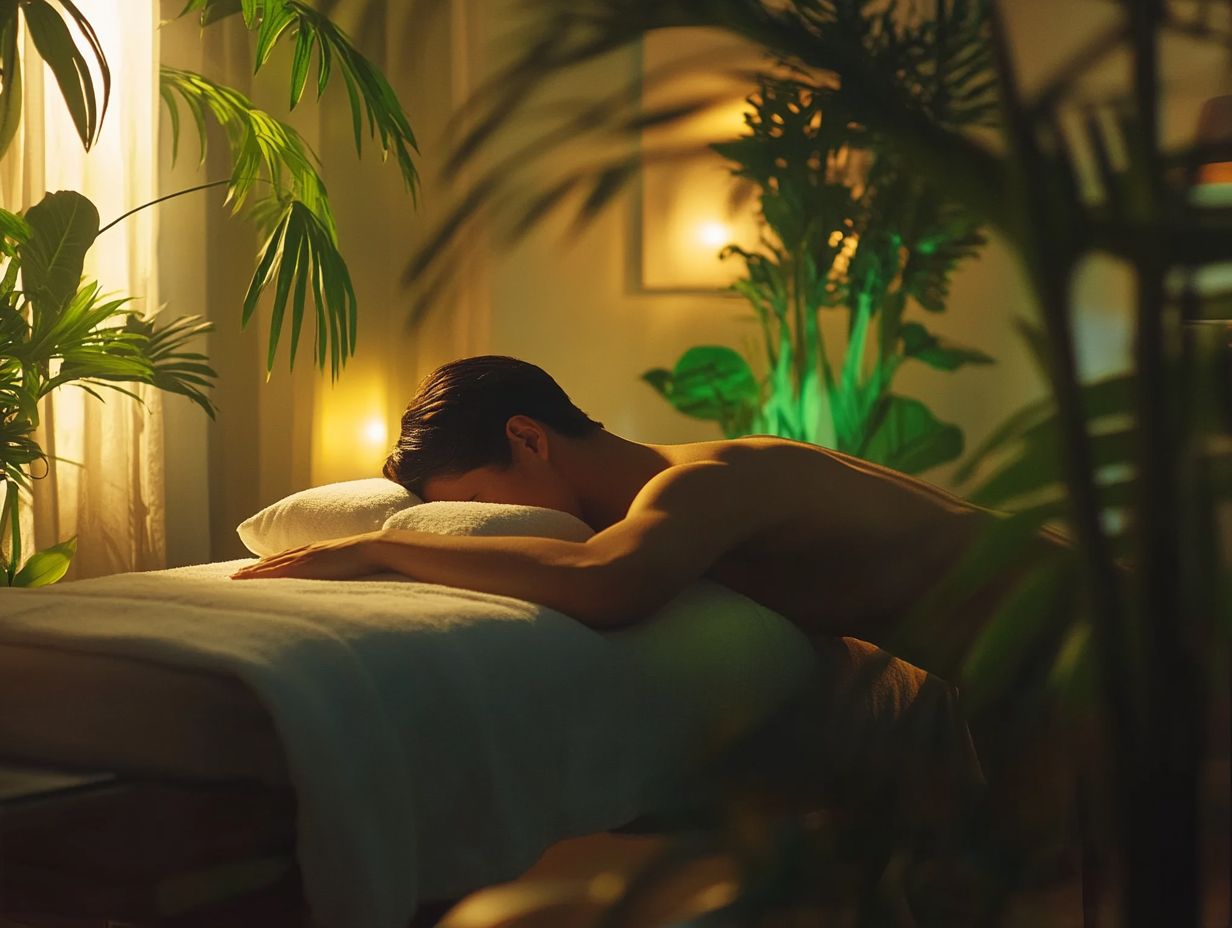
Discover the wellness benefits of various massage techniques, from traditional methods to modern spa treatments.
Understanding the various types of massages is essential for individuals aiming to enhance their wellness journey through relaxation techniques, breathing exercises, and therapeutic touch.
From Swedish massage to deep tissue therapy, each technique offers distinct benefits designed to rejuvenate both the body and mind, promoting healing touch and emotional release.
Whether one is seeking stress relief, pain management, or simply indulgence, being informed about the types of massages available can significantly influence the overall experience at a professional spa or wellness center, enhancing comfort level and client-therapist relationship.
Exploring these techniques enables individuals to identify the most suitable approach that aligns with their personal preferences and addresses their specific tension points, facilitating improved body alignment and skin sensitivity.
1. Swedish Massage
Swedish massage is one of the most widely recognized forms of massage therapy, distinguished by its gentle and flowing techniques aimed at promoting relaxation, aromatherapy enhancement, and overall well-being. This therapeutic practice employs long strokes, kneading, and circular movements on the superficial layers of muscles, facilitating increased circulation, lymphatic drainage, and alleviating tension.
The experience is often enhanced with the use of essential oils, massage oils, and is set within a soothing ambiance with soft lighting, creating an ideal environment for relaxation. Swedish massage is particularly advantageous for individuals who are new to massage therapy or those seeking a rejuvenating experience centered on relaxation.
Originating in Sweden in the early 19th century, this technique has developed into a cornerstone of the wellness industry, fostering a holistic healing approach and a healthy lifestyle.
Practitioners employ a variety of methods, including effleurage, petrissage, and friction, each serving a distinct purpose in relieving muscle stiffness and enhancing flexibility.
The rhythmic nature of the strokes not only mitigates physical stress but also promotes a significant sense of mental relaxation and clarity, allowing clients to enjoy a valuable hour of self-care and sensory immersion.
The inviting atmosphere cultivated during a session, often enhanced by soothing music and subdued lighting, plays a vital role in the overall experience, making Swedish massage a preferred option for individuals seeking to unwind and rejuvenate their energy amidst a relaxation zone.
2. Deep Tissue Massage
Deep tissue massage is a therapeutic technique that focuses on realigning the deeper layers of muscles and connective tissue to alleviate chronic tension, fatigue relief, and pain.
This approach employs more intense pressure, specifically targeting knots and tension points within the body. It is particularly favored by individuals experiencing chronic aches, sports injuries, or muscle tension.
The expertise of a skilled therapist can significantly enhance mobility and flexibility, contributing to overall wellness and stress relief techniques.
Clients frequently report a profound sense of emotional release and comfort following their sessions.
By employing a variety of therapeutic methods, including kneading, friction, and stretching, practitioners effectively break down adhesions and promote relaxation throughout the body. These techniques not only address muscular tightness but also improve blood circulation, facilitating the delivery of essential nutrients to the muscles and aiding in the recovery process.
Consequently, individuals often experience a reduction in chronic pain and a marked decrease in anxiety levels, underscoring the significance of tension release, emotional well-being, and relaxation response.
Regular sessions can establish a foundation for long-term physical and emotional well-being, rendering deep tissue massage an effective therapy for those seeking to manage stress and enhance their quality of life and wellness routine.
3. Hot Stone Massage
Hot stone massage is a therapeutic treatment that merges the soothing warmth of heated stones and hot stones with traditional massage techniques to enhance relaxation and facilitate healing.
During the session, smooth, heated stones are strategically placed on specific areas of the body, enabling deeper relaxation of the muscles as the therapist employs various massage techniques.
This distinctive approach not only alleviates tension but also enhances circulation, lymphatic drainage, all within a tranquil environment that emphasizes the significance of mindfulness and body awareness.
Clients frequently report finding this experience profoundly rejuvenating and therapeutic.
The process commences with the meticulous selection and heating of the stones, typically basalt, recognized for their superior thermal properties, promoting warmth and skin sensitivity.
As the stones reach an optimal temperature, a serene ambiance is cultivated through soft lighting and calming music, allowing clients to momentarily escape the stresses of daily life.
The therapist gently glides the stones over the skin, utilizing the heat to penetrate deeply, which promotes improved blood flow and accelerates muscle recovery. With each stroke, clients encounter a profound sense of tranquility, while the combination of heat and touch encourages emotional release and mental clarity, rendering hot stone massage a holistic journey toward wellness.
4. Sports Massage
Sports massage is specifically designed for athletes and active individuals, emphasizing injury prevention, flexibility enhancement, and improved recovery times, incorporating therapeutic touch and physical wellness.
This therapeutic technique employs a combination of deep tissue methods and stretching to address the unique needs associated with various sports and physical activities.
By targeting specific muscle groups and areas of tension, sports massage can significantly improve mobility, performance, and overall physical wellness, enhancing massage benefits and treatment goals.
Athletes frequently schedule regular sessions to maintain their physical condition and effectively manage stress.
The incorporation of advanced techniques, such as trigger point therapy and myofascial release, facilitates a more customized approach to each athlete’s specific requirements. These strategies are particularly effective in alleviating muscle tightness and enhancing circulation, thereby promoting faster recovery following intense training or competition.
Along with preventing injuries, sports massage also plays a critical role in rehabilitating existing conditions by improving blood flow and reducing muscle soreness, contributing to holistic healing and quality time for self-care.
This holistic approach is essential for athletes striving to achieve peak performance while prioritizing their long-term health and mobility.
5. Shiatsu Massage
Explore the therapeutic environment and holistic approach of this traditional method.
Shiatsu massage is a traditional Japanese therapy rooted in acupressure techniques, chakras alignment, and massage chair experience that aim to restore energy balance and promote holistic wellness.
By applying pressure to specific points along energy pathways, or meridians, this technique not only facilitates relaxation but also aids in stress relief and emotional equilibrium.
Shiatsu is typically performed on a mat without the use of oils, allowing clients to fully engage with the benefits of body awareness and mindfulness during the session. This distinctive approach can be particularly effective for individuals seeking both physical and emotional healing.
Practitioners employ a variety of stretching and kneading techniques, which enhance circulation, lymphatic drainage, and alleviate muscle tension.
This modality encourages clients to become attuned to their bodies, fostering a deeper understanding of their physical and emotional conditions.
As clients participate in relaxation techniques throughout the massage, they may find themselves more connected to their personal well-being, which is vital for effective stress management.
Ultimately, Shiatsu not only provides immediate relief but also cultivates enduring skills for self-care and self-awareness, making it a valuable practice for those engaged in a journey toward holistic health and massage benefits.
6. Thai Massage
Experience the soothing music and relaxation response offered by this ancient practice.
Thai massage is an ancient practice that integrates acupressure, energy work, and yoga-like stretching to enhance flexibility, muscle relaxation, mobility, and overall energy flow within the body.
Distinct from traditional Western massages, Thai massage is conducted on a mat while the client remains fully clothed, facilitating a more dynamic interaction between the therapist and the client.
This technique emphasizes rhythmic compression and stretching, promoting a profound sense of relaxation and mindfulness while simultaneously improving circulation and alleviating muscle tension. The experience is invigorating, leaving clients feeling rejuvenated and balanced.
By incorporating these unique techniques, practitioners not only support the body’s natural healing processes but also enhance joint mobility, muscle elasticity, and client-therapist relationship.
The specific stretching methods utilized in Thai massage serve to open energy pathways, ensuring the unobstructed flow of vital life force, or ‘Prana,’ throughout the body.
Clients frequently report significant improvements in their overall physical and mental well-being, as this practice can effectively alleviate chronic pain, reduce stress, promote massage flow, and foster a heightened awareness of one’s body.
Ultimately, participating in Thai massage represents a transformative journey toward holistic wellness that nurtures both the body and mind and encourages self-exploration.
How to Prepare for a Massage
Preparing for a massage is essential to ensure an optimal experience, allowing individuals to fully benefit from the relaxation practices and therapeutic effects of the session.
It is advisable to select a reputable massage therapist who has received positive customer feedback and high satisfaction ratings, as this can significantly influence the overall experience.
Effective communication regarding personal needs and preferences with the therapist is crucial for tailoring the session to meet specific requirements, ensuring client comfort and satisfaction.
Furthermore, it is important to consider factors such as appropriate clothing, hydration, and mood to foster an environment conducive to relaxation, mindfulness practices, and self-care.
1. Choose a Reputable Massage Therapist

Selecting a reputable massage therapist is a crucial initial step in ensuring a positive and effective massage experience. It is advisable to seek therapists who possess professional qualifications and have received favorable reviews from previous clients, as these factors indicate their capability to provide quality therapy tailored to individual needs.
An appropriate therapist will have a comprehensive understanding of various techniques, stress relief practices, and healing methods, contributing to a comfortable and relaxing environment during each session. Clients should not hesitate to request recommendations or consult customer feedback to identify a therapist that aligns with their preferences.
In evaluating potential options, it is important to consider not only the therapist’s technical skills but also their communication style and ability to listen to client concerns. An exceptional therapist will prioritize client comfort and satisfaction, dedicating time to discuss specific needs and preferences. This attention to detail can significantly enhance the experience, transforming a routine session into an extraordinary one.
It is also essential for the therapist to maintain a professional demeanor, fostering an atmosphere of trust and safety.
By concentrating on these essential qualities, clients can enhance their massage experience and achieve the relaxation and rejuvenation they seek.
2. Communicate Your Needs and Preferences
Effective communication with your massage therapist is essential to ensure that the session is tailored to meet your specific needs and preferences.
Ahead of your appointment, it is important to inform the therapist about any areas of tension you are experiencing, as well as any previous injuries that may require special attention. Clearly expressing your desired level of pressure, whether you prefer a gentle touch or a firmer approach, is crucial for personalizing the experience to your liking.
Additionally, discussing your openness to various techniques, such as deep tissue or Swedish massage, enables the therapist to customize the session effectively. Providing feedback during the massage—whether regarding the temperature of the room or the type of music being played—can enhance your comfort and significantly influence the overall effectiveness of the treatment.
3. Avoid Eating a Heavy Meal Before the Massage
Avoiding a heavy meal prior to your massage is essential to ensure optimal comfort and relaxation during the session. Consuming a light snack instead can help prevent discomfort and allow your body to fully relax throughout the therapy.
Along with mindful eating, maintaining proper hydration is crucial for enhancing the benefits of the massage, as adequate hydration facilitates toxin release and promotes improved circulation throughout the body. This preparatory step significantly contributes to a more enjoyable session while minimizing tension and discomfort.
It is advisable to choose easily digestible foods, such as fruits, nuts, or yogurt, which can provide necessary energy without causing a feeling of heaviness. Additionally, it is prudent to limit caffeine and alcohol intake prior to the massage, as these substances may lead to dehydration and interfere with the therapeutic effects of the treatment.
Aiming to drink sufficient water throughout the day leading up to your appointment will ensure that your body feels refreshed and prepared to receive the treatment. Adopting a mindful approach to nutrition not only enhances physical comfort but also contributes to a deeper and more restorative massage experience.
4. Wear Comfortable Clothing
Wearing comfortable clothing is a crucial aspect of preparing for a massage session, as it enhances the individual’s ability to relax and enables the therapist to work effectively.
When selecting attire, it is advisable to consider fabrics that are soft and breathable, such as cotton or bamboo, as these materials help maintain a comfortable body temperature. Additionally, choosing clothing that does not create unnecessary distractions during the session is important, allowing the individual to focus on the soothing experience.
For those who are new to massage, opting for simple options like yoga pants or a loose-fitting t-shirt can significantly enhance the experience. It is essential to remember that the appropriate clothing not only ensures modesty but also contributes to establishing a tranquil ambiance, thereby facilitating the overall therapeutic benefits of the session.
What to Expect During a Massage: Sensory Experience and More
Understanding what to expect during a massage can significantly reduce any anxiety and enhance the overall experience. Upon arrival, individuals are typically welcomed by a calming ambiance designed to promote relaxation, which often includes soothing music and a tranquil environment.
The application of massage oils or lotions is standard practice, as it enhances the therapeutic touch and facilitates smoother techniques aimed at specific muscle groups.
Throughout the session, the therapist may employ a variety of techniques tailored to the client’s individual needs, ensuring a personalized approach that prioritizes relaxation and overall well-being.
1. A Relaxing Environment
A relaxing environment is essential for ensuring a positive massage experience, as it establishes the tone for the entire session. Key factors include dim lighting, calming music, and a comfortable temperature, all of which contribute to a soothing atmosphere that aids in reducing stress and anxiety.
A thoughtfully designed massage space enhances the relaxation response, enabling clients to release tension and fully engage in the therapeutic process. The therapist may also incorporate elements such as warm towels and essential oils to further elevate comfort and relaxation.
Furthermore, the use of natural materials, such as wood and stone, can evoke a sense of tranquility and connection to nature. Soft textures in linens and furnishings encourage clients to settle in comfortably, while scent diffusers infused with lavender or eucalyptus provide a serene olfactory backdrop. The room’s layout should prioritize privacy and personal space, ensuring that individuals feel secure and undisturbed during their session.
Collectively, these elements not only contribute significantly to the overall massage experience but also promote a deeper sense of well-being and rejuvenation.
2. Use of Massage Oils or Lotions
The application of massage oils or lotions plays a crucial role in the overall massage experience, enhancing the therapeutic touch while providing a smooth glide that facilitates deeper relaxation. These products are formulated to nourish the skin, enabling the therapist to maneuver seamlessly over the muscles, thereby promoting improved circulation and alleviating stress.
Additionally, essential oils may be integrated to enrich the sensory experience, further enhancing relaxation and contributing to overall wellness. Selecting the appropriate oil can also accommodate individual preferences and skin sensitivities.
These massage products offer a range of benefits, including the reduction of tension and the alleviation of muscle soreness. Many formulations are infused with nourishing ingredients that help to hydrate the skin, leaving it feeling soft and supple post-session.
Moreover, the aromatic properties of specific oils can positively influence mood, transforming the massage into a holistic ritual that fosters emotional well-being. By choosing oils specifically designed for their unique therapeutic effects, one can tailor each session to meet individual needs, thereby creating a deeper sense of comfort and invigoration.
3. Techniques Used by the Massage Therapist
The techniques utilized by a massage therapist are essential to the effectiveness and enjoyment of the session, as various methods can specifically target areas of tension and discomfort. Such techniques may include kneading, tapping, stretching, and the application of varying levels of pressure to alleviate knots and promote relaxation.
The therapist’s expertise in bodywork ensures that the appropriate approach is employed based on the client’s individual needs and preferences, thereby enhancing the overall experience and contributing to stress relief and pain management.
Equally significant is the communication between the therapist and the client, as this dialogue serves to clarify preferences, general health concerns, and specific areas of chronic tension that require special attention. By discussing particular issues or reactions during the session, clients are able to guide their massage professional in tailoring techniques for maximum effectiveness.
This collaborative effort not only enhances relaxation but also cultivates a heightened sense of body awareness, enabling individuals to more effectively recognize and understand their physical condition.
Ultimately, these nuanced adjustments can lead to significant improvements in both mental and physical well-being.
How to Enhance Your Massage Experience
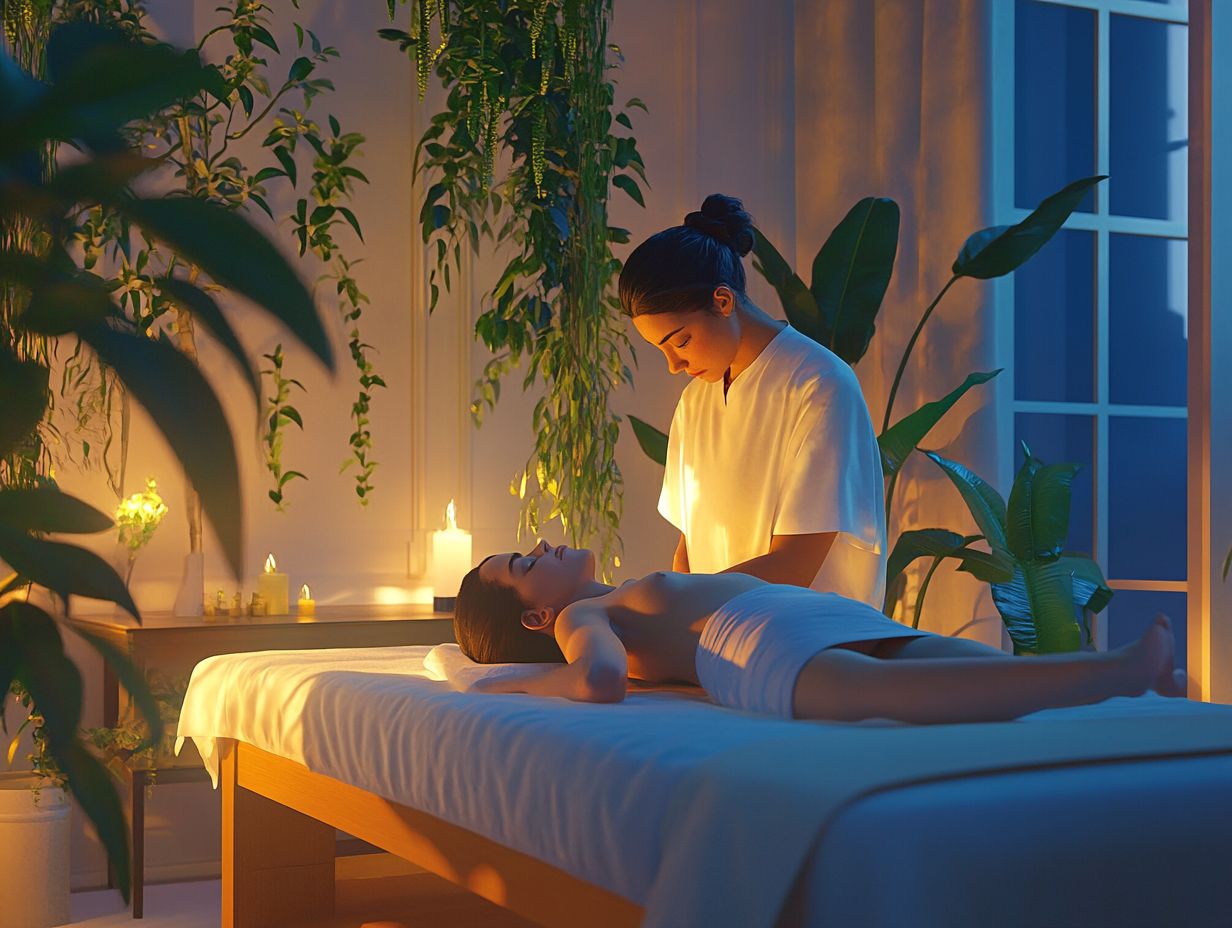
Enhancing the massage experience can substantially increase the benefits derived from Swedish massage therapy, facilitating deeper relaxation and rejuvenation.
Employing simple techniques, such as concentrating on one’s breathing, can ground an individual in the present moment, promoting mindfulness and a sense of tranquility during the session.
Additionally, listening to calming music can contribute to a soothing atmosphere, further aiding in the release of stress. Furthermore, visualizing a serene environment can effectively divert the mind from distractions, fostering a more profound connection to one’s body and the therapy being administered.
1. Focus on Your Breathing
Focusing on one’s breathing during a massage session is a highly effective technique that can significantly enhance the overall relaxation experience. By engaging in deep, mindful breaths, individuals can calm both the mind and body, thereby reducing anxiety and promoting a deeper relaxation response throughout the therapy.
This practice not only centers awareness in the present moment but also facilitates the release of accumulated tension and stress, allowing for a more profound connection with the therapeutic touch of the massage. Integrating breathing techniques can transform an ordinary session into a deeply restorative experience.
Incorporating various breathing techniques, such as diaphragmatic breathing or box breathing, can further deepen the connection between the body and mind. For example, diaphragmatic breathing encourages fuller oxygen intake, rejuvenating the body and complementing the massage by enhancing circulation.
Conversely, practicing box breathing aids in focusing the mind, providing a structured rhythm that fosters a tranquil atmosphere. As the therapist addresses knots and tightness, the benefits of such mindful breathing become increasingly apparent, promoting a state of calm that enhances both physical and emotional well-being.
2. Listen to Relaxing Music
Listening to soothing music during a massage can significantly enhance the ambiance and overall experience, fostering tranquility and a sense of calm. An appropriate musical selection can effectively drown out distractions, enabling individuals to fully immerse themselves in the therapy and concentrate on the sensations of relaxation and healing.
Numerous spas provide curated playlists specifically designed for massage sessions, further amplifying the therapeutic benefits. This auditory element contributes to the overall environment, creating a serene setting that supports the relaxation response.
Research indicates that specific genres of music can lower heart rates and reduce stress hormones, thereby reinforcing the body’s capacity to relax and rejuvenate. When clients are enveloped in calming melodies, they often find it easier to release tension and quiet mental distractions, facilitating a deeper physical and emotional release.
Incorporating gentle instrumental music or nature sounds can establish an ideal backdrop, transforming the massage space into a sanctuary of tranquility. Therefore, the interplay between music and massage not only enhances the experience but also significantly enriches the journey toward wellness.
3. Visualize a Peaceful Place
Visualizing a tranquil environment during a massage can be an effective technique to enhance relaxation and overall mindfulness throughout the session. By envisioning a serene setting—such as a quiet beach or a lush forest—individuals can focus their minds, allowing them to detach from daily stresses and distractions.
This practice fosters a deeper relaxation response, facilitating a more profound connection with the therapeutic touch and enabling the individual to fully experience the benefits of the massage. Visualization can transform the session into a holistic journey of relaxation and mental clarity.
Along with alleviating anxiety, this technique of mental imagery can assist individuals in achieving a state of flow, where both body and mind are harmoniously aligned in the present moment. As one imagines their ideal sanctuary, the body responds by releasing tension stored in the muscles, leading to increased blood flow and heightened awareness of each stroke and movement.
This mindful engagement not only enhances the therapeutic effects of the massage but also promotes a lasting sense of peace that can extend well beyond the session itself.
Ultimately, incorporating visualization into the massage experience fosters a greater sense of well-being and relaxation, rendering it an invaluable tool for anyone seeking to enhance their self-care routine.
After the Massage: Tips for Post-Massage Care and Relaxation
Following your massage, the application of specific relaxation techniques can significantly extend the benefits and sustain a sense of tranquility in both body and mind.
It is essential to drink ample water to promote hydration and assist in the elimination of toxins released during the therapy.
Furthermore, taking a warm bath or engaging in gentle stretching can enhance relaxation and alleviate any remaining tension in the muscles.
It is advisable to refrain from strenuous activities to allow the body to fully integrate the therapeutic effects, thereby ensuring a restorative post-massage experience.
1. Drink Plenty of Water
Consuming an adequate amount of water following a massage is essential for rehydrating the body and maximizing the benefits of the therapy. Hydration facilitates the elimination of toxins that may have been released during the session, thereby supporting the body’s natural recovery processes.
It also helps to prevent any potential soreness resulting from deep tissue manipulation, ensuring that individuals feel rejuvenated and refreshed. By prioritizing hydration after a massage, one can enhance the overall wellness effects of the therapy and promote long-term health benefits.
Water plays a critical role in maintaining optimal blood circulation, which is vital for delivering nutrients to muscles and tissues. After undergoing the relaxation and tension release afforded by a massage, replenishing fluids not only enhances flexibility but also promotes quicker recovery from physical exertion.
As the body reestablishes balance, sufficient hydration can alleviate fatigue and improve energy levels, enabling individuals to fully appreciate the therapeutic advantages offered. Therefore, simple practices such as consuming water can significantly amplify the positive effects of the entire massage experience, making it an essential step for anyone seeking to enhance their overall wellbeing.
2. Take a Warm Bath
Taking a warm bath following a massage can significantly enhance relaxation and facilitate further release of tension in the muscles. The soothing warmth continues the relaxation response initiated during the massage session, allowing the body to fully unwind.
Incorporating Epsom salts or essential oils can elevate this experience, providing additional benefits for both the skin and the senses. This self-care practice not only nurtures physical well-being but also contributes to emotional health, creating a holistic approach to post-massage care.
By immersing oneself in calming waters, individuals will observe how the heat complements the effects of the massage, alleviating any residual tightness. As the warm water envelops the body, it not only relieves muscle soreness but also encourages improved blood circulation, further aiding in healing and recovery.
Dedication to this ritual effectively creates a tranquil space for mindfulness, allowing any lingering stress to dissipate. Overall, the experience becomes a much-needed escape, transforming an ordinary routine into a revitalizing journey that leaves one feeling refreshed and rejuvenated.
3. Avoid Strenuous Activities
Avoiding strenuous activities following a massage is essential for enabling the body to relax and fully benefit from the therapy. Engaging in heavy exercise or physically demanding tasks can negate the relaxation response achieved during the session, potentially resulting in discomfort.
Instead, it is advisable to engage in gentle stretching or restorative activities that support one’s overall wellness journey. This mindful approach cultivates a peaceful state, allowing individuals to fully appreciate the therapeutic effects of the massage and prioritize self-care.
After a massage, the body is in a sensitive state, with muscles being more pliable and receptive to additional relaxation techniques. Participating in calming activities, such as leisurely walks, light yoga, or simple breathing exercises, can enhance these benefits without imposing unnecessary strain.
Such choices contribute to maintaining the serene mindset established during massage therapy and promote improved circulation and flexibility. This period of gentle activity not only aids recovery but also reinforces the importance of balance and tranquility in one’s daily routine, ensuring that the massage experience remains genuinely restorative.
4. Schedule Your Next Massage
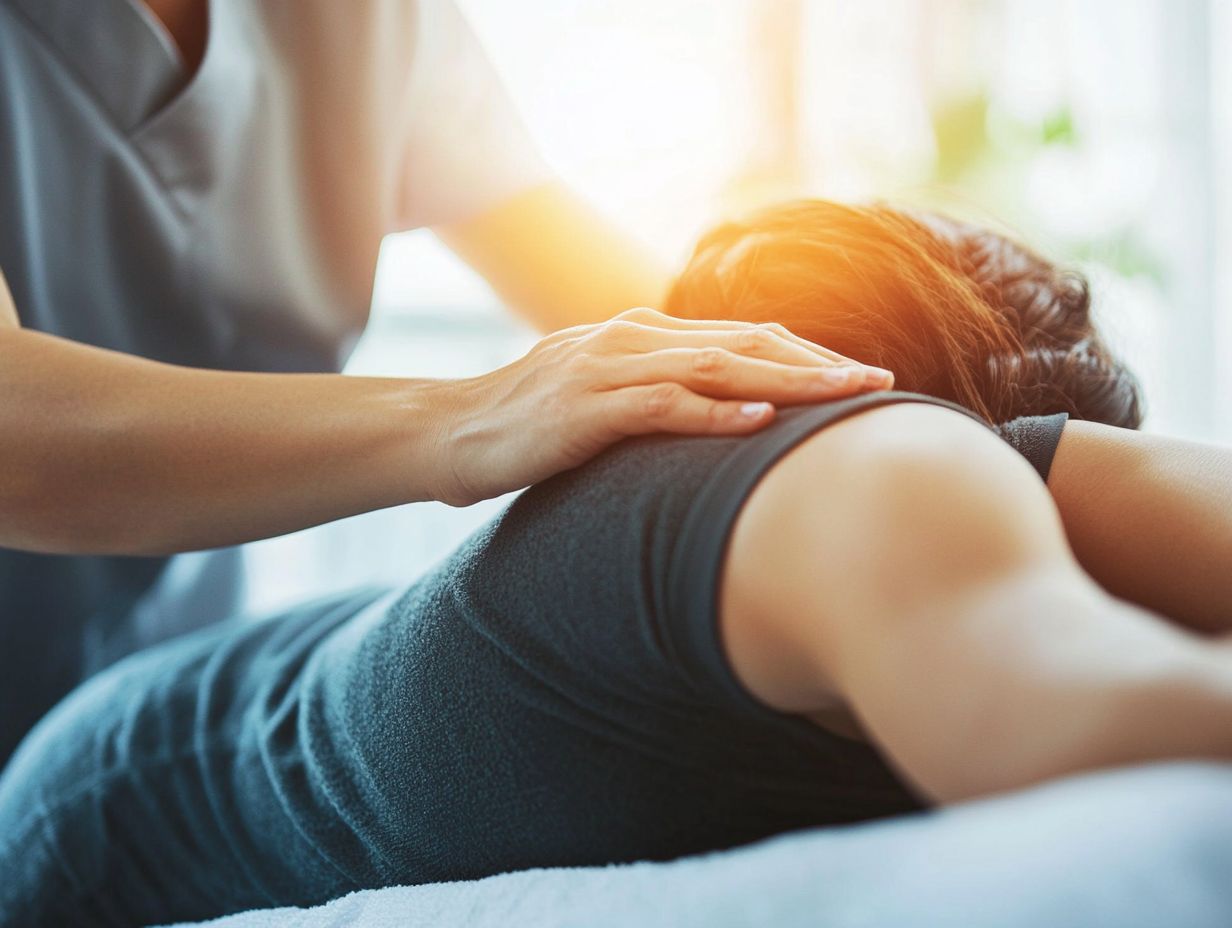
Scheduling your next massage before departing from the therapy session is an effective strategy to prioritize self-care and maximize the ongoing benefits of relaxation. Regular massage therapy can significantly enhance an individual’s overall wellness journey, providing sustained relief from tension and aiding in stress management.
By committing to a consistent routine, individuals not only experience improved physical comfort but also foster a deeper connection with their bodies. This intentional approach to scheduling can result in increased flexibility, enhanced circulation, and a noticeable reduction in anxiety levels over time.
Many spas now offer convenient online booking options, facilitating easy management of appointments tailored to various schedules and preferences. Whether choosing weekly sessions or monthly treatments, integrating massage therapy into one’s wellness regimen can yield substantial mental and physical benefits over the long term.
Frequently Asked Questions
How do I prepare for a massage and practice pre-massage preparation?
Before your massage, make sure to drink plenty of water and avoid heavy meals. It’s also a good idea to take a warm shower to relax your muscles, enhancing skin stimulation and pressure points sensitivity.
What should I wear during a massage?
You can wear comfortable and loose-fitting clothing or choose to undress to your level of comfort. Your massage therapist will provide a sheet or towel to cover your body and only uncover the areas being worked on.
How can I enhance my massage experience?
Communicate with your massage therapist about any areas you would like them to focus on or any preferences you have. You can also practice deep breathing and relaxing your muscles during the massage.
Is it normal to feel sore after a massage and what is the massage etiquette for post-massage care?
It’s common to feel a bit sore after a massage, especially if it’s your first one or if you had a deep tissue massage. This is a normal response and should subside within a day or two.
Can I get a massage if I have a medical condition?
If you have a medical condition, it’s important to consult with your doctor before getting a massage. In some cases, a massage may be beneficial, but in others, it may not be recommended.
How often should I get a massage?
The frequency of massages depends on your individual needs and preferences. Some people may benefit from weekly massages, while others may only need one every few months. Listen to your body and consult with your massage therapist for personalized recommendations.