
Massage therapy provides a realm of relaxation, healing, and holistic health benefits; however, the multitude of options available can often lead to confusion.
This article delves into various types of massage techniques, ranging from the calming Swedish technique to the revitalizing Thai approach.
Readers will uncover the numerous benefits of massage, understand what to expect during a session with a massage therapist, and find answers to frequently asked questions about massage etiquette.
Whether one is an experienced massage aficionado or a novice seeking information, this guide offers all the essential details necessary to enhance the overall wellness experience.
What Are The Different Types Of Massage?
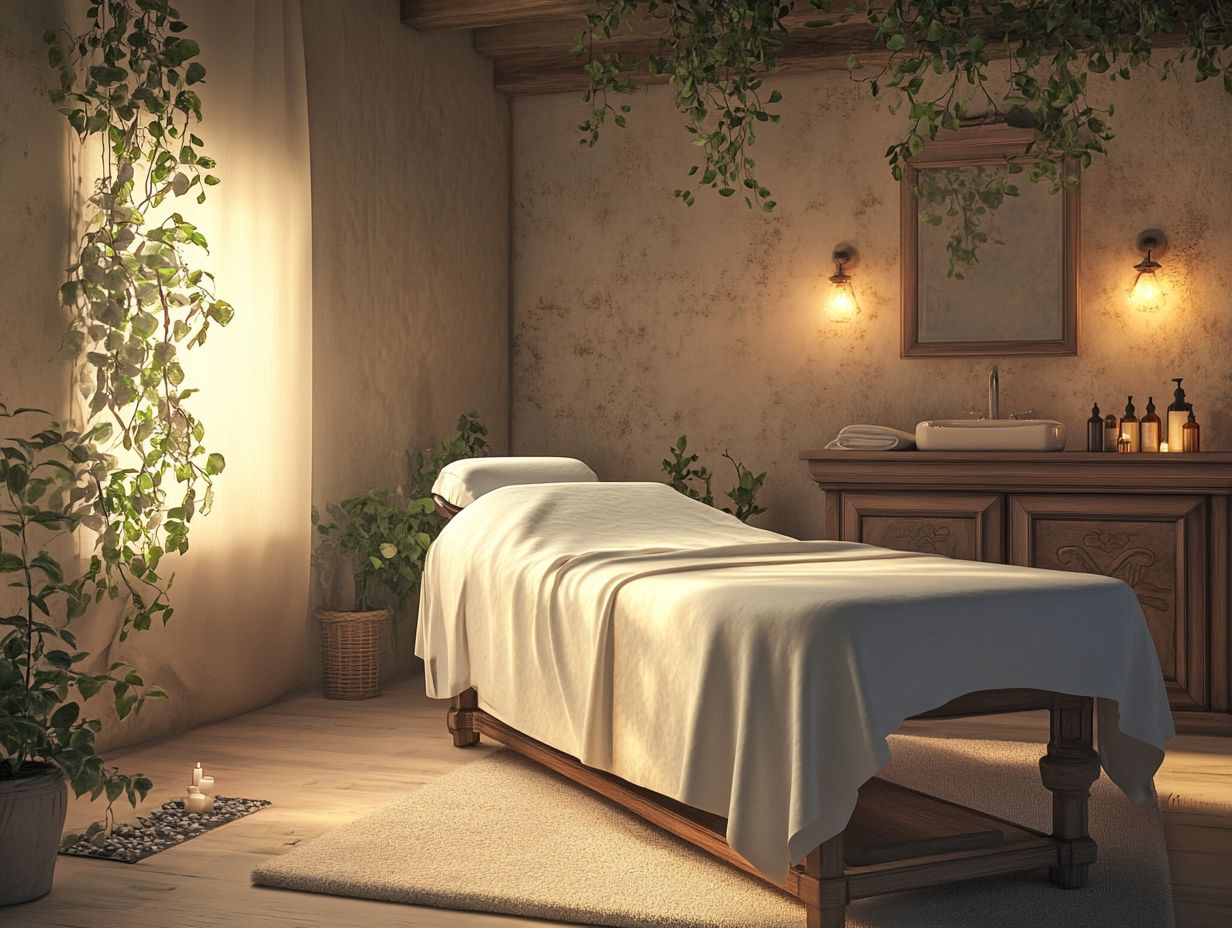
Massage therapy includes a diverse array of techniques, each specifically designed to address various needs and preferences, including body alignment and emotional release.
The gentle, flowing strokes of Swedish massage contrast with the intense pressure applied during deep tissue massage, with each type offering distinct benefits for muscle relaxation and tension relief.
Hot stone therapy employs heated stones to facilitate relaxation and energy release, whereas Shiatsu utilizes finger pressure along the body’s energy pathways.
Thai massage integrates stretching with acupressure techniques and body awareness, while aromatherapy massage incorporates essential oils to enhance relaxation and emotional well-being.
Additionally, sports massage is tailored for athletes, emphasizing performance enhancement, injury prevention, and aftercare, while prenatal massage is designed to provide comfort for expectant mothers ensuring therapist qualifications and certifications.
1. Swedish Massage
Swedish massage is widely recognized as one of the most prevalent forms of bodywork, characterized by its long, flowing strokes and gentle techniques that promote relaxation and alleviate muscle tension.
This therapeutic approach incorporates various techniques, including:
- effleurage
- petrissage
- friction
- tapotement
- vibration
Each technique is specifically designed to enhance circulation and relieve stress. Clients often experience an elevated level of comfort through the soothing application of oils, which facilitates smoother gliding across the skin and contributes to their overall experience during the session.
Creating a serene and comfortable massage environment is essential, as it fosters a peaceful atmosphere that encourages deep relaxation and mental clarity. Individuals seeking respite from the demands of daily life can significantly benefit from the calming effects of Swedish massage, ultimately leaving them rejuvenated, centered, and relieved of tension knots.
2. Deep Tissue Massage
Deep tissue massage is a specialized therapeutic technique that targets the realignment of deeper layers of muscles and connective tissue, making it an effective intervention for chronic pain and muscle tension.
This approach is specifically designed to address the root causes of discomfort, particularly the persistent trigger points that may lead to ongoing pain. By applying firm pressure and slow strokes, the practitioner works to break down adhesions and knots within the muscles, thereby promoting improved circulation and alleviating chronic tightness with trigger point therapy.
Clients can anticipate varying levels of pressure throughout their sessions, ensuring that personal boundaries and comfort levels are respected. While some degree of discomfort may be experienced, it is essential that this does not escalate to unbearable pain, with safe words established during appointment scheduling. Effective communication with the therapist is vital to maintaining a balance between achieving therapeutic outcomes and ensuring personal comfort and confidentiality, ultimately fostering a greater sense of relaxation and overall well-being.
3. Hot Stone Massage
Hot stone massage is a therapeutic technique in which smooth, heated stones are strategically placed on specific areas of the body to facilitate relaxation and alleviate muscle tension.
This method utilizes stones that have been heated in water to a comfortable temperature, allowing them to retain heat for an extended duration, enhancing bodywork and relaxation techniques. The heat penetrates the muscles, promoting deep relaxation, enhancing blood circulation, and alleviating stiffness.
During the session, aromatherapy oils and massage lotion may also be applied, offering additional benefits such as hydration and improved mood, enhancing the spa experience. Each treatment can be meticulously tailored to meet individual preferences, whether the client desires a focus on specific areas or a particular type of oil, thereby ensuring a personalized and restorative client experience with every session.
4. Shiatsu Massage
Shiatsu massage is a Japanese therapeutic technique that employs finger pressure to stimulate acupuncture points and pressure points along the body’s energy pathways, thereby promoting balance and healing.
This method is grounded in the practitioner’s comprehensive understanding of human anatomy, enabling them to apply pressure at specific points that correspond to various organs and systems. By focusing on these acupressure points, Shiatsu not only addresses physical discomfort but also facilitates the flow of energy, or ‘ki,’ throughout the body, aiding in stress management.
The holistic benefits are considerable, as regular sessions can enhance relaxation, reduce stress, and improve overall well-being, fostering wellness and lifestyle balance.
Clients frequently report that in addition to physical relief, they attain a heightened sense of emotional balance, mindfulness, and clarity, making Shiatsu a thorough approach to health.
5. Thai Massage
Thai massage is an ancient healing practice that integrates acupressure, yoga-like stretching, rhythmic compression, and therapeutic touch to enhance energy flow and promote relaxation.
This holistic approach sets it apart from traditional massages, which typically emphasize muscle tension relief through techniques such as kneading, rubbing, and massage strokes.
In Thai massage, the recipient is actively involved in the process; practitioners utilize their hands, elbows, and even feet to guide the client’s body into various stretches, enhancing body awareness. This distinctive combination of movement not only contributes to improved flexibility but also aids in releasing deeply held tensions throughout the body, facilitating injury recovery.
Consequently, participants often emerge feeling invigorated yet profoundly relaxed, having achieved a significant sense of balance and harmony within themselves, complimenting their holistic health journey.
6. Aromatherapy Massage
Aromatherapy massage effectively integrates the therapeutic benefits of massage with the application of essential oils and massage oil, thereby enhancing relaxation and emotional well-being through the power of scent.
This holistic approach not only alleviates muscle discomfort but also introduces the distinctive properties of essential oils, allowing individuals to experience the healing qualities derived from plants and alternative therapies.
For example, lavender oil is widely recognized for its calming effects, which can help reduce stress and promote improved sleep, while eucalyptus oil is known to assist with respiratory issues.
The proficient application of various massage techniques, in conjunction with these aromatic oils, fosters a harmonious environment where both the mind and body can achieve a state of complete relaxation and emotional release. This makes aromatherapy massage an excellent choice for individuals seeking relief from everyday tension, anxiety, and stress management.
7. Sports Massage
Sports massage is specifically tailored for athletes, concentrating on areas of the body that are overused and subjected to stress due to repetitive movements, strain, and physical activity. This therapeutic approach utilizes a range of techniques, including deep tissue manipulation, friction, effleurage, and session customization, to relieve muscle tension and foster relaxation.
By focusing on particular muscle groups and connective tissues, sports massage enhances circulation, which facilitates the removal of metabolic waste while delivering essential nutrients to the muscles, aiding in energy release.
Establishing an open line of communication with the therapist is essential, as it allows the athlete to convey any areas of discomfort or specific requirements, ensuring expectations and personal space are respected. This ensures a customized experience that not only addresses pain relief but also plays a significant role in injury prevention, stress management, and the enhancement of overall performance.
8. Prenatal Massage
Prenatal massage is a specialized form of bodywork aimed at providing comfort and relaxation to expectant mothers while addressing common pregnancy-related discomforts and enhancing therapeutic touch.
This therapeutic approach not only targets areas of tension within the body but also promotes overall well-being by enhancing circulation, reducing swelling, and addressing allergies or sensitivity. The gentle and considerate techniques employed during these sessions can lead to significant relief from lower back pain, sore shoulders, leg cramps, and intimacy concerns that are frequently experienced during pregnancy.
Furthermore, this type of massage facilitates deeper relaxation, aiding in the management of stress and anxiety that can affect both the mother and the developing baby.
It is essential to engage a qualified therapist who specializes in prenatal massage; their expertise ensures an understanding of the unique needs and safety considerations associated with pregnancy, thereby creating a safe and beneficial experience for the expectant mother, ensuring consent and safe words.
What Are The Benefits Of Massage?
Massage therapy provides numerous health benefits that contribute to overall wellness, including relaxation, pain relief, and a reduction in stress and anxiety.
Many clients report improved circulation, enhanced flexibility, increased mental clarity, and relief from triggers as outcomes of regular massage sessions.
The holistic approach inherent in massage therapy also promotes emotional well-being, assisting clients in achieving a sense of grounding, balance, and body awareness in their lives.
By employing a variety of techniques, such as deep tissue massage, aromatherapy, or reflexology, therapy sessions can be customized to address individual health needs and preferences effectively, ensuring therapist qualifications and client feedback.
1. Relieves Stress and Anxiety, ensuring confidentiality and management of personal boundaries.
One of the primary benefits of massage therapy is its capacity to alleviate stress and anxiety, fostering a calming effect that promotes relaxation and tranquility.
The various relaxation techniques employed during massage therapy, including deep tissue manipulation, gentle stretching, and rhythmic swaying, are instrumental in relieving tension. Research has consistently demonstrated that these therapeutic methods can lower cortisol levels, the hormone primarily associated with stress, while simultaneously increasing the production of serotonin and dopamine, which contribute to enhanced feelings of well-being.
Additionally, studies have indicated that regular massage sessions can significantly diminish symptoms associated with anxiety disorders, highlighting their substantial effects on both mental and emotional health. Therefore, incorporating massage therapy as a regular practice can result in enduring improvements in overall quality of life.
2. Reduces Muscle Tension and Pain
For those feeling embarrassed about discussing pain, open communication with your therapist is key.
Massage therapy serves as an effective method for reducing muscle tension and alleviating pain, employing various techniques aimed at addressing discomfort in specific areas.
Among these techniques, deep tissue massage is particularly notable for its focus on realigning deeper layers of muscle and connective tissue, proving especially beneficial for chronic pain conditions such as fibromyalgia or lower back pain.
Another widely practiced approach, Swedish massage, utilizes long, flowing strokes to promote relaxation and enhance circulation, making it an excellent choice for individuals recovering from injuries or experiencing stress-related tension.
Sports massage, specifically designed for athletes, targets areas of soreness and aims to improve overall performance.
The importance of client feedback during sessions is paramount; it enables the therapist to adjust pressure and techniques in accordance with the individual’s comfort level, thereby ensuring a tailored experience that maximizes effectiveness.
3. Improves Circulation
Massage techniques like those performed on a massage chair can also contribute to improved circulation.
Regular massage can significantly enhance circulation, thereby improving blood flow to various parts of the body, which is essential for maintaining optimal health.
This improvement is critical, as effective circulation plays a vital role in delivering essential nutrients and oxygen to tissues while facilitating the removal of metabolic waste products. By ensuring that the body receives an adequate supply of oxygen and vital nutrients, individuals may experience increased energy levels, improved organ function, and a strengthened immune response.
Moreover, enhanced circulation contributes to overall wellness by reducing the risk of chronic diseases, alleviating muscle tension, and supporting mental clarity. Therefore, prioritizing activities that promote better blood flow, such as massage, can lead to a healthier and more vibrant life.
4. Boosts Immune System
Setting intentions before a session can enhance the therapeutic experience.
Massage therapy has been demonstrated to enhance the immune system by mitigating stress levels, which can adversely affect immune function.
Research indicates that chronic stress may lead to increased production of stress hormones such as cortisol, which, when elevated, can inhibit the immune response.
Studies conducted at the University of Miami have shown that individuals who receive regular massage therapy exhibit significantly lower levels of cortisol and heightened activity of immune cells, particularly T-lymphocytes, which are essential in defending the body against pathogens. Massage tools can also be used for self-massage to help maintain immune health.
Furthermore, a 2013 study published in the Journal of Alternative and Complementary Medicine revealed that participants who underwent massage therapy reported not only reductions in stress but also improvements in overall health outcomes, suggesting a direct correlation between relaxation techniques and enhanced immune function.
This natural approach to stress management highlights the importance of integrating massage therapy into wellness routines to promote a healthier immune system.
5. Enhances Overall Well-being
Understanding massage myths can provide a clearer perspective on the benefits of therapy.
Regular massage therapy significantly enhances overall well-being by addressing not only physical discomfort but also emotional and mental health.
By cultivating a nurturing environment, massage therapy encourages clients to engage more profoundly with their bodies and emotions. This practice fosters increased mindfulness, enabling individuals to become more aware of their stressors and emotional triggers.
As therapists skillfully address tension and knots in tight muscles, they also establish a therapeutic relationship founded on trust and communication. This relationship facilitates clients in expressing their feelings and anxieties, thereby promoting a sense of safety and relaxation.
Consequently, the interplay between physical touch and emotional support is essential in the pursuit of comprehensive well-being.
What Happens During A Massage Session?
Discover the pricing and session length before booking.
During a massage session, clients can anticipate a structured process that commences with a consultation to discuss their specific needs, preferences, and any medical conditions that may influence the treatment.
Following this initial consultation, the session generally involves undressing and draping to maintain privacy, ensuring that clients feel at ease while the therapist applies various techniques tailored to their expectations. Appropriate clothing choices can enhance comfort.
Throughout the session, effective communication is essential, as clients are encouraged to provide feedback regarding pressure, comfort levels, and any discomfort experienced, especially for first time visitors.
After the massage, discussions regarding payment and follow-up care take place to promote ongoing well-being.
1. Consultation
The consultation represents a crucial initial step in the massage session, during which the therapist collects information regarding the client’s health history, current concerns, and expectations. This preliminary interaction establishes the tone for the entire experience, underscoring the significance of open dialogue.
By creating an environment where clients feel comfortable expressing their thoughts and feelings, therapists can effectively customize their approach to address individual needs. Proficient communication skills are essential, as they enable the therapist to identify any specific contraindications that may influence the treatment plan.
An attentive therapist actively listens and responds to both verbal and nonverbal cues, ensuring a comprehensive understanding of the client’s objectives for the session. Ultimately, this in-depth discussion give the power tos clients and lays a solid foundation for a successful therapeutic relationship.
2. Undressing and Draping
Undressing and draping are fundamental components of the massage experience, playing a critical role in ensuring client comfort and privacy throughout the session.
It is imperative for practitioners to engage in open communication regarding these aspects prior to the commencement of the session. Clients should feel give the power toed to articulate their preferences concerning the extent to which they wish to undress, as well as their comfort levels with various draping techniques.
Maintaining professionalism in these interactions cultivates a trusting environment, allowing individuals to relax and concentrate on their well-being. Practitioners must remain vigilant to non-verbal cues and demonstrate respect by adjusting the draping or discussing alternatives should the client exhibit any signs of discomfort.
Ultimately, establishing clear boundaries and reinforcing consent not only enhances the therapeutic experience but also emphasizes the significance of mutual respect within the professional setting.
3. Massage Techniques
The essence of the massage session involves a range of techniques employed by the therapist, specifically designed to meet the client’s individual needs and preferences.
Among these techniques, Swedish massage offers a gentle and relaxing experience, characterized by long, flowing strokes that facilitate overall relaxation and enhance circulation. In contrast, deep tissue therapy targets deeper muscle layers, focusing on the alleviation of chronic tension and necessitating a more strategic application of pressure.
Trigger point therapy is another option that identifies and releases tight knots within the muscles, often adjusting the pressure in real-time based on the client’s feedback regarding pain or discomfort.
Throughout the session, the therapist remains vigilant, consistently checking in to ensure that the pressure applied is both appropriate and effective for the individual, thereby optimizing the overall experience and benefits of the massage.
4. Feedback and Payment
At the conclusion of the massage, feedback is encouraged to ensure that the client’s needs have been effectively met and to facilitate ongoing communication for future sessions.
This dialogue plays a vital role in enabling the therapist to tailor subsequent treatments to better align with individual preferences while also fostering a trusting relationship between the client and the therapist. It is essential to maintain clarity regarding the payment process to prevent any misunderstandings.
Clients typically have the option to choose from various payment methods, which may include credit cards, cash, or insurance options, depending on the policies of the practice.
Furthermore, discussing follow-up care options is of equal importance; therapists often recommend future bookings that correspond with the client’s wellness goals. Establishing a schedule for these follow-up sessions can significantly enhance the overall effectiveness of the care provided.
What Should I Wear During A Massage?
Nudity is optional, and comfort is prioritized.
Consider asking about the venue’s cancellation policy and if there is a referral program available.
Selecting appropriate attire for a massage session is crucial for ensuring comfort, privacy, and an overall positive experience during the treatment.
Many individuals express concerns regarding nudity or feel uncertain about the extent of clothing removal. However, it is important to prioritize what aligns with one’s personal comfort levels. Some individuals may choose to wear nothing beneath the sheets, as this can facilitate complete freedom of movement and relaxation, while others might feel more comfortable in fitted workout clothing or swimwear.
Massage therapists are trained in draping techniques that effectively maintain privacy while delivering a therapeutic treatment. Ultimately, the goal is to establish a balance that fosters a sense of security. Therefore, communicating preferences prior to the session is essential in creating a customized environment conducive to relaxation.
What Are The Common Concerns About Massage?
Understanding the price range and frequency of sessions is also essential when considering massage therapy.
Numerous individuals express valid concerns regarding the safety and appropriateness of massage therapy, particularly in relation to specific medical conditions, pregnancy, and skin issues. Addressing these concerns is essential for clients to feel more comfortable and informed about their initial experience with massage.
It is imperative for clients to communicate openly with their massage therapist regarding any medical history or current discomforts, as this information is vital for tailoring the treatment to meet individual needs.
Furthermore, educating clients about common misconceptions surrounding nudity and consent can significantly enhance their overall experience and foster trust in the client-therapist relationship. Exploring options like insurance coverage for massage therapy can also be beneficial.
1. Is Massage Safe During Pregnancy?
Massage during pregnancy can be both safe and beneficial when conducted by a qualified and trained therapist who specializes in prenatal massage, such as a Swedish massage.
Expectant mothers frequently express valid concerns regarding the safety and comfort of prenatal massage, particularly in light of the significant physiological changes they experience. A reputable therapist will implement specific techniques, such as utilizing positioning pillows for optimal comfort and avoiding certain pressure points, to ensure relaxation and safety throughout the session.
It is crucial that the therapist possesses the appropriate certifications and has specialized experience in prenatal care, as this expertise enables them to effectively address common discomforts while prioritizing the safety of both the mother and the baby.
Additionally, maintaining regular communication regarding any discomfort during the massage can significantly enhance the overall experience, rendering it both enjoyable and beneficial.
2. Can I Get A Massage If I Have A Medical Condition?
Individuals with medical conditions are advised to consult with their healthcare provider prior to receiving massage therapy, as certain conditions may present contraindications.
Establishing open dialogue between clients and massage therapists is crucial for ensuring both the safety and effectiveness of the treatment. When clients provide their medical history, therapists can adjust their techniques to accommodate individual needs, thereby addressing specific health concerns while minimizing the risk of harm.
It is essential for clients to feel at ease when sharing their experiences and any concerns that may arise. This level of transparency not only give the power tos clients but also allows therapists to honor their rights and deliver a tailored experience.
Ultimately, effective communication cultivates a trusting relationship, which contributes to improved outcomes and an enhanced sense of well-being throughout the massage process.
3. Can I Get A Massage If I Have A Skin Condition?
Having a skin condition does not inherently prevent an individual from receiving a massage; however, it is imperative to discuss any relevant issues with the therapist prior to the session.
This dialogue enables the therapist to customize the treatment appropriately, ensuring the use of suitable oils or lotions that will not exacerbate the condition.
For example, a person with eczema may benefit from hypoallergenic products that can help soothe irritated skin, while an individual with acne might require non-comedogenic options to prevent clogging of the pores.
Effective communication also allows the client to convey any discomfort experienced during the treatment, which enables the therapist to adjust their techniques or materials as necessary.
Ultimately, fostering a trusting dialogue can significantly enhance the therapeutic experience and contribute positively to skin health.
4. Can I Get A Massage If I Have An Injury?
Receiving massage therapy in the presence of an injury can be advantageous; however, it is essential to consult with a healthcare provider and communicate the specifics of the injury to the therapist.
A comprehensive understanding of the injury allows the therapist to tailor their technique, ensuring that methods are adjusted to maximize both comfort and efficacy. Conducting a thorough pain assessment not only identifies the severity of the discomfort but also uncovers any underlying issues that may necessitate a modified treatment plan.
By acknowledging the client’s individual pain thresholds and preferences, therapists can utilize various modalities, such as gentle stretching or trigger point therapy, to provide a personalized experience. This level of adaptability is vital, as it fosters a safer environment that prioritizes healing while also promoting relaxation and overall well-being.
5. Can I Get A Massage If I Am Sick?
It is generally recommended to refrain from engaging in massage therapy while experiencing illness, as this may impede recovery and pose risks to both the therapist and other clients.
When an individual is unwell, their body is exerting significant effort to combat the illness, and the additional physical exertion associated with a massage can complicate this recovery process.
Furthermore, illnesses such as colds or the flu are contagious, placing others at risk of exposure should one attend a session during this time. Therefore, it is essential for clients to communicate openly regarding their health status with the therapist.
This transparency enables the therapist to appropriately adjust the session or suggest postponement, thereby prioritizing the well-being of all parties involved.
Ultimately, prioritizing health during such circumstances contributes to a safer environment and enhances the effectiveness of the recovery process.
6. Can I Get A Massage If I Am On My Period?
Considering a home massage can offer additional comfort during this time.
Receiving a massage during the menstrual cycle is generally considered safe; however, it is important to take comfort and individual preferences into account when scheduling appointments.
Therapists play a crucial role in facilitating open dialogue with clients regarding their specific comfort levels related to pressure and the techniques utilized during the session. It is essential for practitioners to inquire about any areas of discomfort, recognizing that each individual’s experience may vary.
Effective communication allows the therapist to customize the massage to meet the client’s needs, thereby enhancing the overall experience.
By fostering this type of relationship, clients are more likely to articulate their preferences, resulting in a more satisfying and supportive treatment environment.
What Are The Dos and Don’ts During A Massage?
Visiting wellness centers may provide a variety of massage options tailored to your needs.
Understanding the dos and don’ts during a massage is crucial for enhancing the experience and ensuring a professional and respectful relationship between the client and therapist.
Clients are encouraged to communicate their preferences and any areas of discomfort to the therapist, while also recognizing the significance of relaxation and trust in the process. Practicing good hygiene before the session is essential, as is arriving on time to avoid any disruptions.
Conversely, clients should avoid making sudden movements during the massage and refrain from consuming heavy meals prior to their appointment.
1. Do Communicate With Your Therapist
Effective communication with one’s therapist is essential for a successful massage session, as it facilitates a customized experience that aligns with individual expectations.
This process not only ensures that the treatment is tailored to specific needs but also cultivates a trusting environment where clients feel at ease expressing their preferences and boundaries.
Engaging in open dialogue regarding any concerns, pain levels, or preferred techniques can significantly impact the therapeutic process, ultimately leading to improved outcomes.
By clearly articulating comfort levels, clients give the power to therapists to adjust the session accordingly, thereby enhancing overall relaxation and satisfaction.
The ability to communicate effectively is a critical component of the client-therapist relationship, underscoring the importance of collaboration and mutual understanding for a truly beneficial experience.
2. Don’t Be Afraid To Speak Up
Clients are encouraged to communicate their comfort levels during the massage, including any preferences related to pressure, technique, or discomfort experienced.
Open communication is crucial in establishing a safe and effective environment, enabling therapists to customize the session according to individual needs. When clients feel give the power toed to share their thoughts, it not only enhances their overall experience but also cultivates a deeper sense of trust between the client and therapist.
This ongoing dialogue facilitates real-time adjustments, contributing to a more personalized treatment. Ultimately, a collaborative approach allows clients to derive the maximum benefit from their sessions, promoting continuous improvement in their relaxation and wellness journey.
3. Do Stay Hydrated
Maintaining proper hydration before and after a massage is crucial for maximizing its benefits and promoting overall wellness.
Adequate hydration plays a significant role in muscle recovery, as it assists in flushing out toxins released during the massage and helps to prevent soreness. When tissues are sufficiently hydrated, they are better equipped to absorb nutrients that facilitate healing.
Individuals should aim to consume at least half of their body weight in ounces of water each day and should increase their fluid intake before and after massage sessions. Timing is also important; consuming a glass of water approximately 30 minutes prior to the massage and continuing to sip water throughout the day afterward can enhance the rejuvenating effects, ensuring that muscles remain supple and free from fatigue.
4. Don’t Eat A Heavy Meal Before A Massage
It is advisable to avoid consuming a heavy meal prior to a massage in order to prevent discomfort and ensure an optimal experience during the session.
A heavy meal may result in sensations of bloating and heaviness, which could detract from the relaxation and therapeutic benefits of the treatment. Instead of indulging in rich or greasy foods, it is prudent to select lighter options such as fresh fruits, a small salad, or whole grains.
These choices not only facilitate digestion but also provide the necessary energy without the sluggishness often associated with a heavy meal. Opting for a lighter meal can ensure a more comfortable experience, much like the relaxation achieved with a Swedish massage.
Additionally, maintaining proper hydration is essential; a glass of water can assist in sustaining the body’s balance, ensuring that the focus remains on tranquility and rejuvenation throughout the massage.
5. Do Practice Good Hygiene
Maintaining proper hygiene prior to a massage is crucial for promoting professionalism and ensuring a comfortable experience for both the client and the therapist.
A clean environment not only facilitates relaxation but also reduces the risk of transmitting potential infections. Clients are encouraged to shower and wear clean clothing before their appointment, as this establishes a respectful atmosphere for the session.
Additionally, avoiding strong fragrances is advisable to ensure that the environment remains soothing and comfortable. Open communication regarding any allergies or sensitivities is also beneficial, allowing the therapist to customize the experience to meet individual needs.
By prioritizing these elements of personal care, clients contribute to a positive and healing environment that enhances the overall effectiveness of the massage.
6. Don’t Be Late
Punctuality for massage appointments is essential, as it reflects respect for the therapist’s time and contributes to a professional environment.
Arriving on time facilitates a smooth transition into relaxation, ensuring that the session commences without unnecessary stress. Late arrivals disrupt not only the flow of the individual appointment but can also have a cascading effect on the schedule, leading to delays for subsequent clients.
Each appointment is carefully planned to provide the optimal experience, and tardiness can compromise this by reducing the duration of the massage or hindering the therapist’s ability to prepare adequately. Ultimately, maintaining punctuality enhances the overall experience for all parties involved, promoting a more harmonious atmosphere.
7. Do Relax and Enjoy
One of the fundamental components of a successful massage is the ability to relax and fully engage in the experience, thereby maximizing the associated benefits.
To effectively harness the calming effects of the session, clients are encouraged to concentrate on their breathing and immerse themselves in the present moment. Practicing mindfulness can significantly enhance the overall experience, fostering a deeper connection between the body and mind.
Employing straightforward techniques, such as visualizing serene landscapes or listening to soothing music, can assist in cultivating a tranquil state of mind.
Advising clients to release any residual stress or distractions can foster an open environment, allowing them to fully benefit from the therapeutic properties of the massage. Consequently, each session becomes not merely an escape, but a transformative experience.
Frequently Asked Questions
What is a massage and why do people get them?
A massage is a therapeutic technique that involves manipulating muscles and soft tissues to improve overall health and well-being. People get massages for various reasons, such as relaxation, pain relief, and stress reduction.
What are the different types of massages available?
There are several types of massages available, including Swedish massage, deep tissue massage, hot stone massage, sports massage, and prenatal massage. Each type targets specific areas and uses different techniques.
What should I expect during a massage session?
During a massage session, you can expect to undress partially or fully and lie on a padded table. The massage therapist will use oils or lotions to reduce friction and perform various techniques using their hands, fingers, elbows, and sometimes even feet.
Will I be fully naked during a massage?
No, you can choose to undress to your comfort level. Most people prefer to keep their underwear on during a massage, but it is completely up to you. Massage therapists are trained to drape the body and only uncover the areas being worked on.
Is it normal to feel uncomfortable or embarrassed during a massage?
It is normal to feel a bit nervous or self-conscious before your first massage. However, the massage therapist’s job is to make you feel comfortable and at ease. If you have any concerns, be sure to communicate them with your therapist.
What if I get an erection during a massage?
This is a common concern for many men, but it is a natural physiological response and does not necessarily mean you are sexually aroused. Your massage therapist will remain professional and will continue to focus on the therapeutic aspect of the massage.