
Let’s be honest—who doesn’t love a good massage? Whether you’re trying to recover from a stressful day or soothe sore muscles, massage therapy feels amazing. But here’s the real question: Is there actual science to back up how good massage feels? The answer is a resounding yes. In fact, modern research has uncovered a ton of reasons why massage isn’t just a luxury—it’s a legitimate wellness practice with powerful health benefits.

History of Massage and Its Traditional Importance
Massage isn’t some trendy new thing. It dates back thousands of years. Ancient Egyptians, Chinese, Indians, and Greeks used massage as a tool for healing the body and calming the mind. It was part of Ayurvedic medicine, Traditional Chinese Medicine, and even Hippocratic texts. They may not have had modern lab equipment, but they knew it worked.
What Happens to the Body During a Massage?
When someone’s skilled hands work your muscles, your body starts responding immediately:
Blood flow increases, carrying oxygen and nutrients to your cells.
Lymphatic drainage kicks in, flushing out toxins.
Endorphins—your body’s natural painkillers—are released, giving you that blissed-out, feel-good vibe.
Neuroscience Behind Massage
Science shows massage doesn’t just work on your muscles—it works on your brain too.
Dopamine and serotonin, the “feel-good” chemicals, get a nice little boost.
Meanwhile, cortisol, the stress hormone, takes a nosedive.
Brain scans after massage show lower activity in the amygdala, the area responsible for fear and stress.
Cool, right? It’s like hitting a “reset” button on your brain.
Cardiovascular Benefits
Your heart likes massages too. Studies show:
Lowered heart rate and blood pressure after a session
Improved blood vessel function thanks to vasodilation (that’s when your vessels widen to let blood flow more easily)
It’s like giving your circulatory system a gentle workout without lifting a finger.
Muscular and Skeletal Advantages
Tight muscles? Bad posture? Massage to the rescue.
Breaks up knots and adhesions
Relieves tension, reducing pain and stiffness
Improves range of motion and alignment, helping with posture and flexibility
Think of it as a deep tune-up for your entire body.
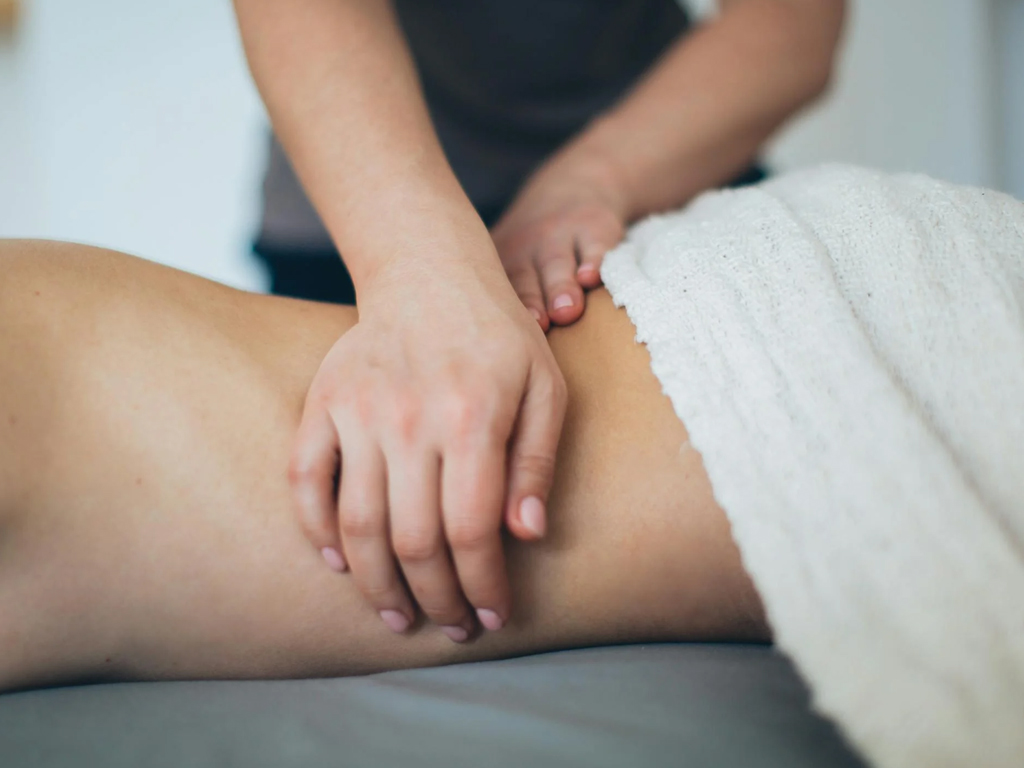
Immune System Enhancement
Yup, your immune system gets stronger with massage. Here’s how:
Research shows massage increases white blood cell counts.
Natural killer cells, which help fight viruses and even cancer cells, become more active.
Getting a massage might actually help keep you from getting sick. Not too shabby.
Mental Health Boost
Massage therapy is a game-changer for your mood.
Reduces symptoms of anxiety and depression
Helps improve sleep by promoting melatonin and serotonin
Encourages mindfulness and relaxation, improving mental clarity
Massage isn’t just about muscles—it’s about mental health too.
Massage and Chronic Pain Relief
If you’re living with chronic pain, massage may feel like a miracle. Science agrees.
Studies show that massage reduces pain levels in fibromyalgia patients.
People with chronic lower back pain often report improvement.
Helps reduce inflammation linked to arthritis and other joint issues.
The touch literally helps calm overactive pain receptors.
Massage in Sports Medicine
Athletes are all about massage for a reason:
Improves recovery speed after workouts
Helps prevent injuries by maintaining muscle elasticity
Reduces DOMS (Delayed Onset Muscle Soreness)
Massage is basically performance fuel for your body.
Skin and Cellular Health
That post-massage glow is real.
Increases blood flow to the skin, improving tone and texture
Stimulates cell regeneration and detoxification
Promotes natural oil production, which keeps skin soft and hydrated
So, yes—it’s beauty treatment and health treatment rolled into one.
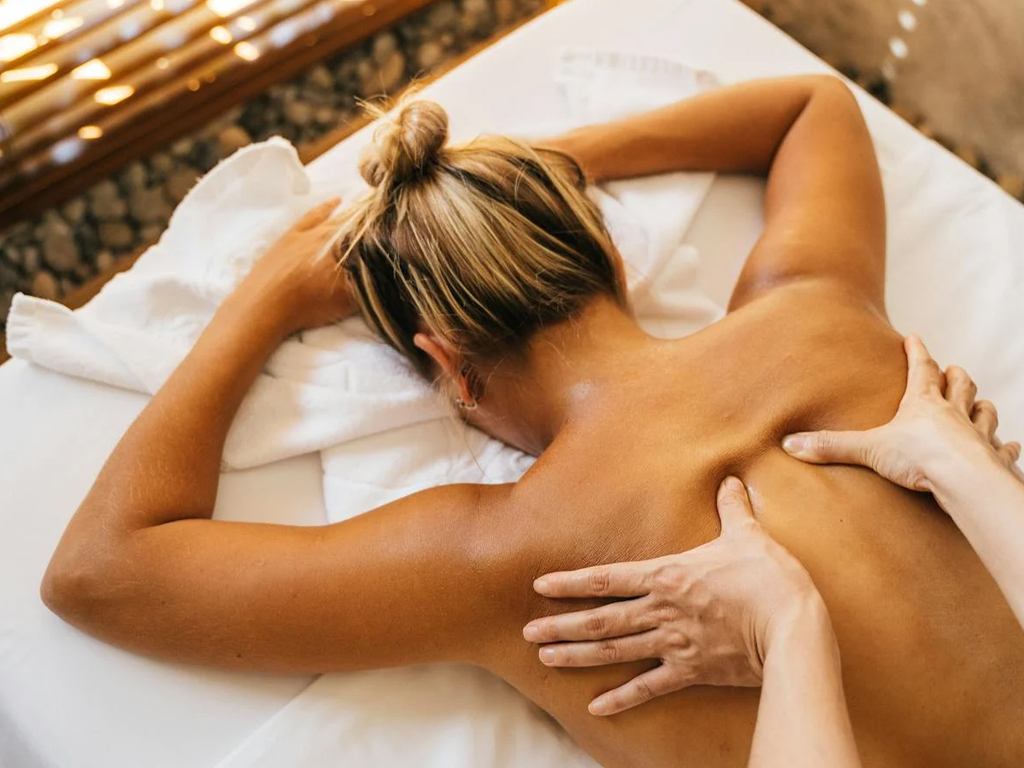
Hormonal Balance and Massage
Touch has power. A massage can help balance:
Oxytocin, the “love hormone,” goes up
Cortisol drops, helping with hormonal homeostasis
Reduces PMS symptoms and improves mood cycles
Your endocrine system gives a happy sigh of relief.
Massage and Digestive Health
Believe it or not, massage can help with your gut too.
Abdominal massages stimulate the intestines
Eases bloating, gas, and constipation
Promotes better nutrient absorption
If your digestion’s been sluggish, this might be your new secret weapon.
Prenatal and Postnatal Massage Benefits
Moms-to-be and new moms can seriously benefit:
Reduces pain and swelling during pregnancy
Eases labor anxiety and physical stress
Aids in postpartum recovery, both physically and emotionally
Doctors even recommend it as part of a holistic prenatal care routine.
Scientific Studies and Research Supporting Massage
Let’s bring in the receipts:
A study from the University of Miami School of Medicine showed massage therapy reduced cortisol by 31%.
Mayo Clinic supports massage for anxiety, insomnia, and digestive disorders.
Harvard Health Publishing reports improved symptoms in patients with fibromyalgia and arthritis after regular massages.
It’s not just theory. It’s real, documented, and tested.
Common Myths vs. Science
Let’s squash some myths:
- Myth: Massage is just pampering.
Fact: It has real therapeutic value, proven by science. - Myth: It’s only for sore muscles.
Fact: It helps with mental health, digestion, immunity, and more. - Myth: All massages are the same.
Fact: Different types (Swedish, deep tissue, lymphatic, Thai) offer different benefits.
Conclusion
So, is massage just a feel-good indulgence? Absolutely not.
From calming your mind to boosting your immune system, science shows that massage is a powerhouse for health. It’s ancient wisdom backed by modern research—and let’s be honest, it feels incredible too. Whether you’re battling stress, pain, or just trying to live your best life, adding massage to your wellness routine might just be the smartest move you make this year.

FAQs
- Is massage better than medication?
Not necessarily better, but often a great complementary therapy. It’s drug-free and can enhance the effects of medical treatments. - How often should I get a massage?
Once a month is a good baseline, but weekly sessions may be best for those with chronic issues. - Can massage replace therapy?
Massage supports mental health but isn’t a replacement for professional therapy. It can be a great tool alongside it. - Are all types of massage scientifically proven?
Not all are equally studied, but Swedish, deep tissue, and myofascial release have the most research backing. - What type of massage is best for mental health?
Swedish and aromatherapy massages are excellent choices for stress, anxiety, and emotional balance.